The recruitment landscape stands at a fascinating crossroads, mirroring a broader evolution in how we approach user experience itself. Just as UX has expanded from a focus on basic usability to encompass the power of AI and intelligent agent design, so too must our strategies for connecting talent with opportunity. For too long, the experiences of candidates, hiring managers, and recruiters have often felt transactional and fragmented. The future demands a more holistic and intelligently designed approach.
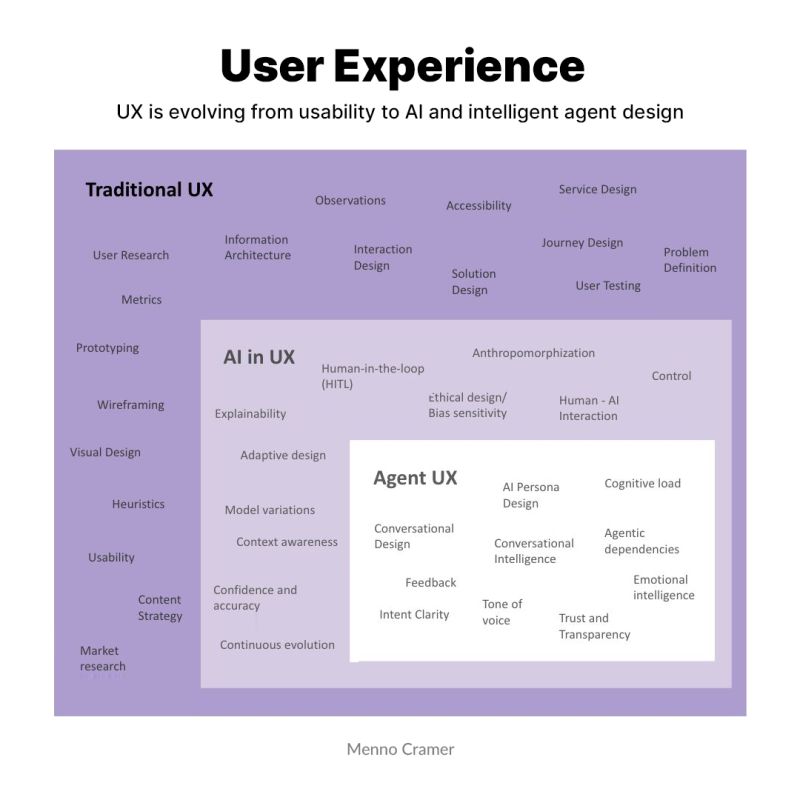
The below diagram from Menno Cramer, illustrating this UX evolution highlights a critical shift. We've moved beyond simply ensuring a process is functional – the realm of "Traditional UX" with its focus on user research and information architecture.
We are now entering an era where "AI in UX" principles like explainability, ethical design, and adaptive systems are paramount. This evolution directly informs how we must reimagine the recruitment journey for all involved.
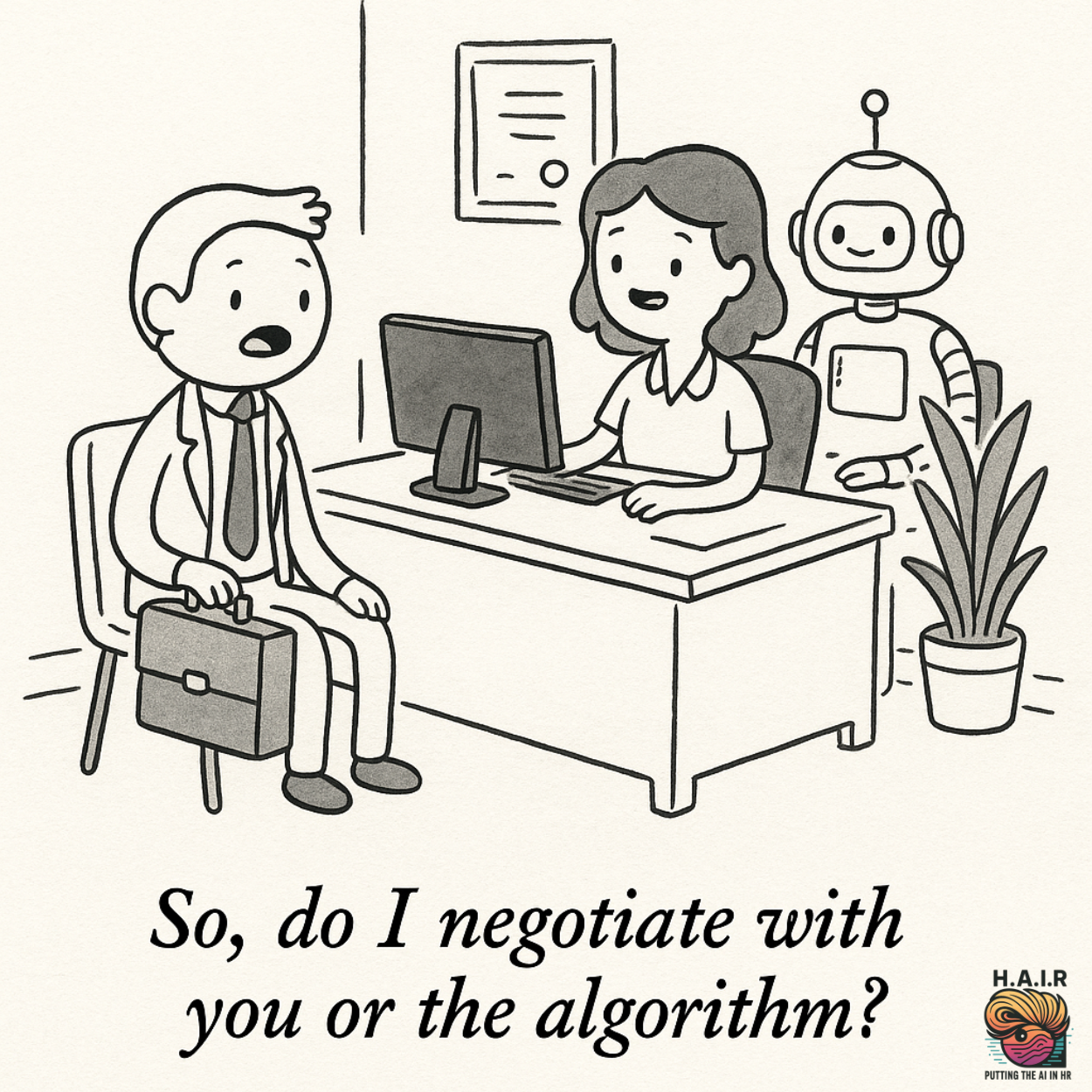
Consider the candidate. Their experience, often fraught with uncertainty, can be transformed by embracing these AI-driven UX principles. Imagine AI not just parsing their CV, but intelligently explaining the rationale behind next steps, adapting communication to their individual journey, and ensuring a bias-sensitive process that fosters trust. This moves us beyond basic application forms towards a truly supportive and transparent interaction, mirroring the shift in UX towards more human-in-the-loop systems.
Similarly, the hiring manager stands to benefit immensely from this evolution. Instead of sifting through endless applications, they can leverage AI-powered tools that offer explainable insights into candidate suitability, facilitating more informed and efficient decision-making. The focus shifts from rudimentary keyword matching to intelligent systems that understand nuanced skill sets and cultural fit, echoing the move in UX towards more sophisticated solution design.
For the recruiter, the integration of "Agent UX" principles promises a significant enhancement of their role. Concepts like conversational design and AI persona design can empower them with intelligent assistants that handle administrative burdens, allowing them to focus on building meaningful relationships with both candidates and hiring managers. By understanding cognitive load and agentic dependencies, we can design tools that truly augment human capabilities rather than creating new complexities. The emphasis on feedback, intent clarity, and tone of voice in "Agent UX" directly translates to building more effective and human-centered recruitment processes.
Ultimately, the future of recruitment experience design necessitates a conscious application of this evolving UX paradigm. We must move beyond simply digitising old processes and instead architect intelligent ecosystems that prioritise:
- Understanding Context: Leveraging AI's ability to learn and adapt to the specific needs and situations of candidates, hiring managers, and recruiters.
- Building Trust: Designing transparent and ethical AI systems that foster confidence and understanding in the recruitment process.
- Facilitating Natural Interaction: Embracing conversational AI and thoughtful persona design to create more intuitive and human-like experiences.
- Driving Continuous Improvement: Utilising data and feedback to constantly refine and optimise the recruitment journey for all stakeholders, mirroring the iterative nature of modern UX design.
The opportunity before us is to create recruitment experiences that are not only efficient but also genuinely positive and empowering. By understanding and applying the lessons from the evolution of UX, we can build a future of talent acquisition that truly serves the needs of candidates, hiring managers, and the recruiters who connect them.