As a consultant specialising in Conversational AI for HR and recruitment, I recently attended Boost Camp, a cross-industry conference hosted by Boost.ai. While this event primarily focused on leveraging AI in highly regulated sectors like finance and insurance, the lessons learned are incredibly relevant to our field. You might wonder why HR and recruitment professionals should pay attention to AI advancements in other industries. Here’s the thing: these industries face some of the most stringent compliance challenges, and their experiences can provide a roadmap for more effective, ethical AI deployment in our own space.
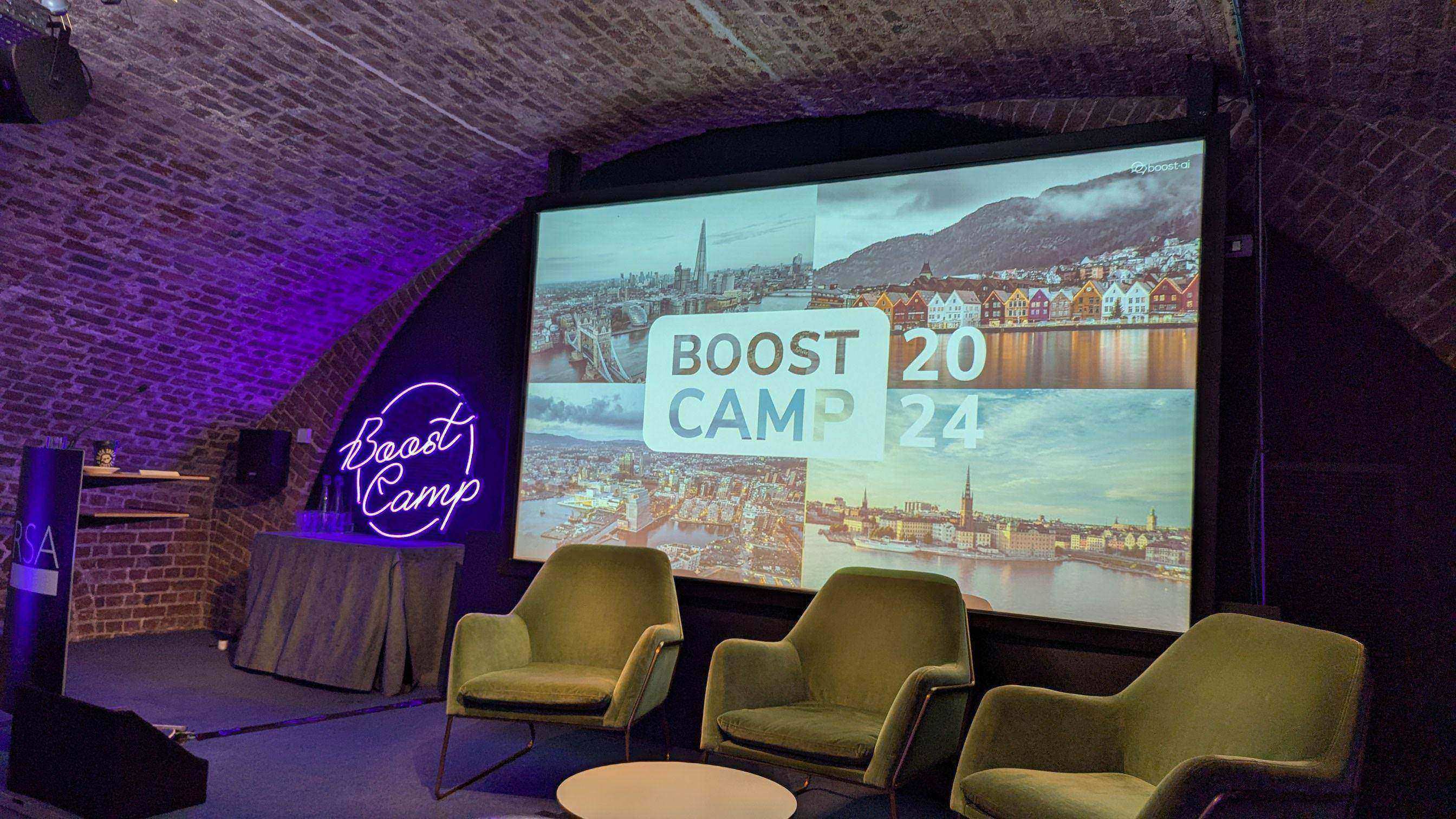
Attending events like Boost Camp offers a unique lens into how industries ahead of the AI adoption curve are navigating complexities that we in HR will soon face. By looking at what they're doing right (and where they’re struggling), we can prepare our own organisations to harness AI more effectively, particularly in recruitment and talent acquisition.
Why Conversational AI in Recruitment Needs a Paradigm Shift
One of the most striking observations at Boost Camp was how regulated industries have embraced a more nuanced approach to conversational AI, moving beyond simple chatbots to sophisticated hybrid AI models. These combine traditional natural language understanding (NLU) with large language models (LLMs) to deliver more context-aware, compliant, and accurate interactions.
In recruitment, we’re still largely stuck with basic automation. Think auto-replies, scheduling interviews, and screening CVs. But imagine a conversational AI system that could engage candidates at a deeper level, answering nuanced questions about company culture or career development opportunities, and even providing personalised feedback. This is already a reality in sectors like finance, where customer interactions require accuracy, empathy, and adherence to strict regulatory frameworks.
So, what’s stopping HR and recruitment teams from adopting a similar approach? Part of it is a lack of awareness, but there’s also the misconception that AI is only useful for automating repetitive tasks. It’s time to shift this perspective. By embracing hybrid AI solutions, HR teams can automate complex parts of the recruitment funnel while preserving the human touch where it matters most.
Governance and Accountability: What HR Can Learn from Regulated Industries
At Boost Camp, there was a strong emphasis on governance, accountability, and ongoing monitoring of AI systems. In regulated sectors, deploying AI isn't just about efficiency, it’s about ensuring compliance with data privacy laws, reducing bias, and maintaining public trust. This is an area where HR can no longer afford to be complacent.
Let’s face it: recruitment is ripe for AI disruption, but with great power comes great responsibility. As AI tools become more sophisticated, the potential for unintended bias in hiring decisions increases. The presentations at Boost Camp highlighted the need for robust auditing processes, transparent algorithms, and regular bias assessments to ensure that AI models don’t perpetuate existing inequalities.
For HR leaders, the lesson is clear: if we don’t implement strong governance frameworks now, we risk not only legal repercussions but also the erosion of trust from candidates and employees alike. It’s time to start treating AI deployments in HR with the same rigour as those in regulated industries.
Moving Beyond Basic Automation: The Untapped Potential of Conversational AI
One of the key takeaways from Boost Camp was that industries like finance and insurance have moved beyond the ‘low-hanging fruit’ of automation. They are using AI to solve more complex challenges, such as fraud detection, customer engagement, and personalised financial advice. In HR, however, many teams are still using AI primarily for surface-level tasks like filtering resumes and scheduling interviews.
But what if we thought bigger? Imagine leveraging conversational AI to evaluate soft skills during the initial screening process, or using AI-driven assessments to gauge cultural fit. The technology exists, yet too many recruitment teams are hesitant to step outside of their comfort zone. The opportunity is there to transform how we assess, engage, and hire talent, but it requires a willingness to invest in more sophisticated AI applications.
The Rise of Human-Machine Teaming in Recruitment
One of the most intriguing concepts discussed at Boost Camp was the idea of human-machine teaming. This isn’t about replacing recruiters with AI but rather enhancing their capabilities. For example, conversational AI can handle high-volume tasks like initial candidate screenings, freeing up recruiters to focus on strategic initiatives, such as relationship building and assessing cultural alignment.
The future of work will see humans and machines collaborating more closely than ever. For HR, this means a shift in mindset; viewing AI not as a threat, but as a partner. The most successful recruitment teams will be those that can effectively integrate AI into their processes, using it to augment rather than replace human judgement.
Preparing for the AI-Driven Future: Practical Steps for HR Leaders
So, how can HR leaders start to apply these lessons? Here are some actionable strategies inspired by Boost Camp:
- Invest in Hybrid AI Solutions: Move beyond basic automation and explore hybrid models that can provide deeper, more personalised interactions with candidates. This could be particularly useful for enhancing candidate experience and maintaining engagement throughout the recruitment process.
- Implement Strong AI Governance: Take a cue from regulated industries by setting up rigorous auditing processes for your AI systems. Regularly test for bias, ensure compliance with data privacy regulations, and maintain transparency in how AI-driven decisions are made.
- Upskill Your Team: Equip your HR and recruitment teams with the knowledge and skills they need to work alongside AI systems effectively. This includes understanding how to interpret AI outputs, spotting potential biases, and knowing when to step in for human intervention.
- Focus on Human-Machine Collaboration: Train your recruiters to see AI as a partner rather than a competitor. Encourage them to leverage AI tools for efficiency while focusing their energy on high-value tasks that require empathy, intuition, and human judgement.
Final Thoughts: The Road Ahead
As someone who has spent nearly two decades in recruitment and seven years as a consultant in Conversational AI, my biggest takeaway from Boost Camp is this: the future of recruitment lies in our ability to adapt and evolve. By learning from the successes and challenges of regulated industries, HR leaders can position themselves at the forefront of AI adoption, using technology not just to streamline processes but to fundamentally improve how we engage with talent.
The window of opportunity is open, but it won’t stay that way forever. The organisations that move quickly to adopt these advanced AI strategies will not only enhance their talent acquisition efforts but will also future-proof themselves against the inevitable changes coming to the workforce. Let’s start thinking bigger, acting smarter, and embracing the AI-driven future of recruitment.