The rise of AI-generated applications has sparked debates across recruitment and academia, with professionals often asserting their ability to discern between human and AI-crafted work. While this confidence may be comforting, evidence suggests that relying on subjective judgment to combat AI-driven submissions is ineffective and potentially harmful. A recent study investigating AI's infiltration into university exams highlights critical lessons for recruiters about the limitations of intuition-based detection methods. Thanks to the Arctic Shores team for bringing this study to our attention.
The Limits of Human Detection
A study conducted at the University of Reading tested whether AI-written submissions could infiltrate a university’s exam system undetected. The results were staggering: 94% of AI submissions passed without suspicion, and these submissions often scored higher than their human counterparts.
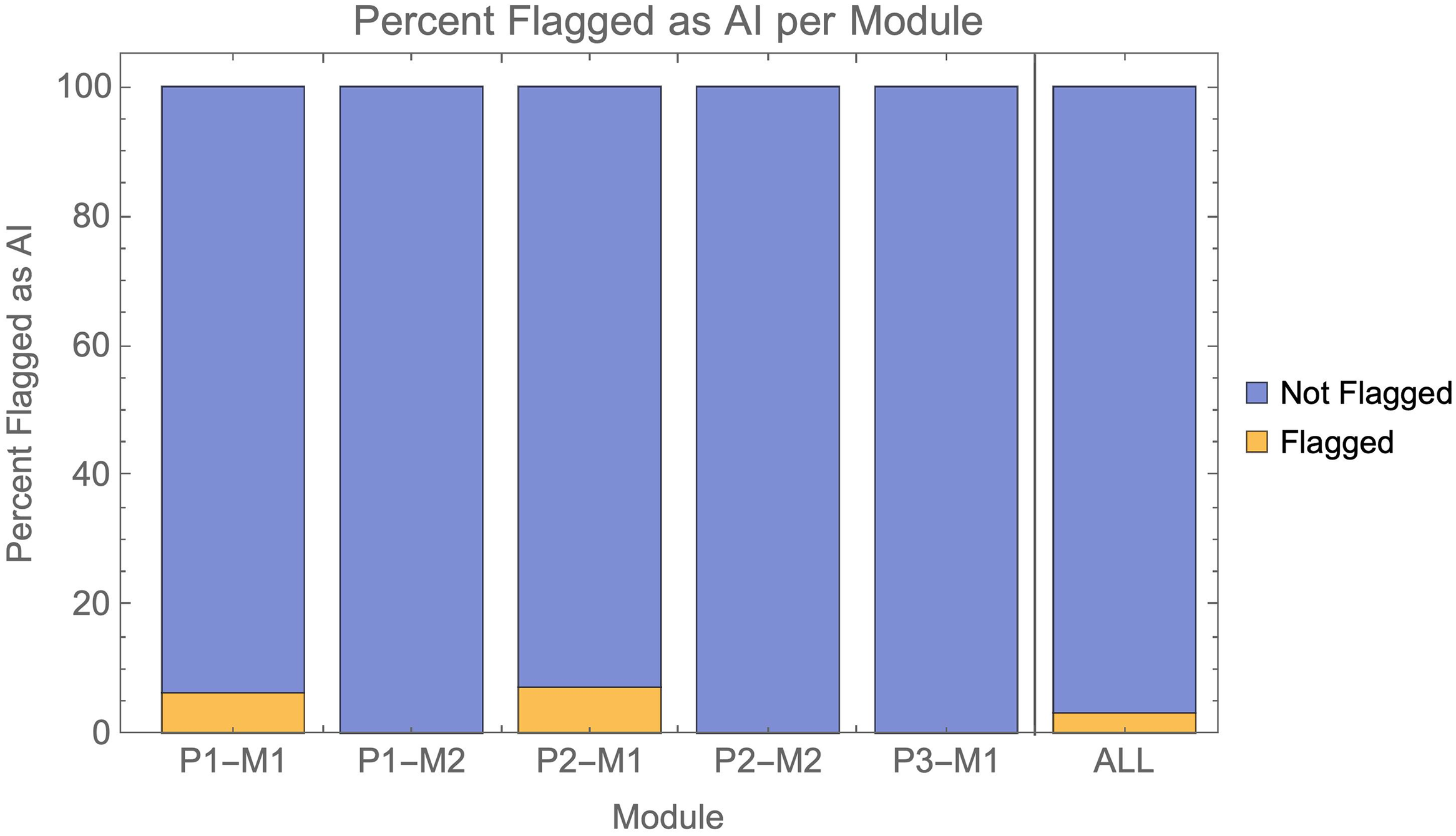
This study demonstrates a critical truth: AI has reached a level of sophistication that makes human detection nearly impossible. Large language models (LLMs) like GPT-4 are designed to emulate human expression so convincingly that even seasoned professionals struggle to differentiate. The confidence of many recruiters in their ability to “spot AI” is, unfortunately, misplaced.
Why Detection Fails: Lessons for Recruiters
- AI is Getting Smarter: The goal of AI systems is to mimic human reasoning and language. As models improve, they not only generate more human-like content but also refine their ability to bypass detection systems. This rapid evolution makes reliance on intuition or outdated tools futile.
- Detection Tools are Inconsistent: AI-detection systems, such as Turnitin or GPTZero, have shown limited accuracy in identifying AI-generated content. Worse, they often flag work by non-native speakers disproportionately. These false positives create ethical challenges and undermine the trustworthiness of detection.
- Bias and Inequity: Intuition-based judgments risk penalising candidates whose writing styles deviate from recruiters' expectations. This could affect individuals from diverse linguistic and educational backgrounds, perpetuating systemic inequities.
The "AI Inclusion Shift": Embrace, Don’t Police
Instead of attempting to police AI, recruiters should adopt the "AI Inclusion Shift"—a framework that encourages evaluating applications for their substance, not the tools used to create them. This approach recognises the inevitability of AI in modern workflows and leverages it to enhance recruitment.
1. Focus on Outcomes, Not Origins
The primary goal of recruitment is to identify candidates who can succeed in a role. If an application, AI-assisted or not, clearly demonstrates relevant skills, achievements, and fit, it deserves consideration. Penalising the use of AI tools overlooks their value as productivity enhancers and problem-solving aids.
2. Design AI-Resistant Assessments
Learn from academia’s experience by crafting assessments that are challenging for AI to complete independently. For example:
- Ask candidates to provide detailed examples of personal experiences that showcase specific skills.
- Use interviews or tasks requiring real-time problem-solving, creativity, or collaboration—areas where human ingenuity outshines AI.
3. Treat AI Literacy as a Skill
AI literacy is increasingly vital in the workplace. Candidates adept at using AI to summarise, analyse, or draft content are demonstrating a modern, marketable skill. Rather than penalise this ability, organisations should reward and even test for it during the hiring process.
Ethical Considerations: Fairness in the AI Era
The use of AI tools can empower candidates, especially those who face systemic barriers. For instance:
- Non-native speakers may use AI to refine language and articulate their qualifications more effectively.
- Candidates with disabilities might find AI useful for improving clarity and presentation.
By acknowledging these benefits, organisations can ensure their recruitment processes are inclusive and equitable. Penalising AI use risks alienating diverse talent and reinforcing biases.
Practical Steps for Embracing the "AI Inclusion Shift"
- Redesign Job Applications: Update application processes to accommodate AI usage, focusing on authenticity and originality rather than traditional writing skills alone.
- Integrate AI Literacy into Hiring: Test candidates on how they use AI tools for job-specific tasks. For example, ask applicants to use AI to analyse data or draft a response and evaluate the quality of the result.
- Educate Recruiters: Provide training on the ethical and practical implications of AI in recruitment, emphasising inclusivity and adaptability.
- Adopt Transparent Policies: Be upfront about your stance on AI use. Clearly state that applications will be assessed on merit, regardless of whether AI tools were used.
A Call to Action
As AI reshapes industries, the recruitment field must adapt. The "AI Inclusion Shift" represents a proactive approach to integrating AI into hiring strategies, prioritising fairness, innovation, and efficiency. By embracing this framework, HR leaders can build a future-ready workforce equipped to thrive in an AI-driven world.